The Alchemy of Clay: Portugal’s Earthenware Legacy
Explore the tactile heritage of Portuguese earthenware, where ancient clay traditions meet contemporary design in the hands of master artisans.
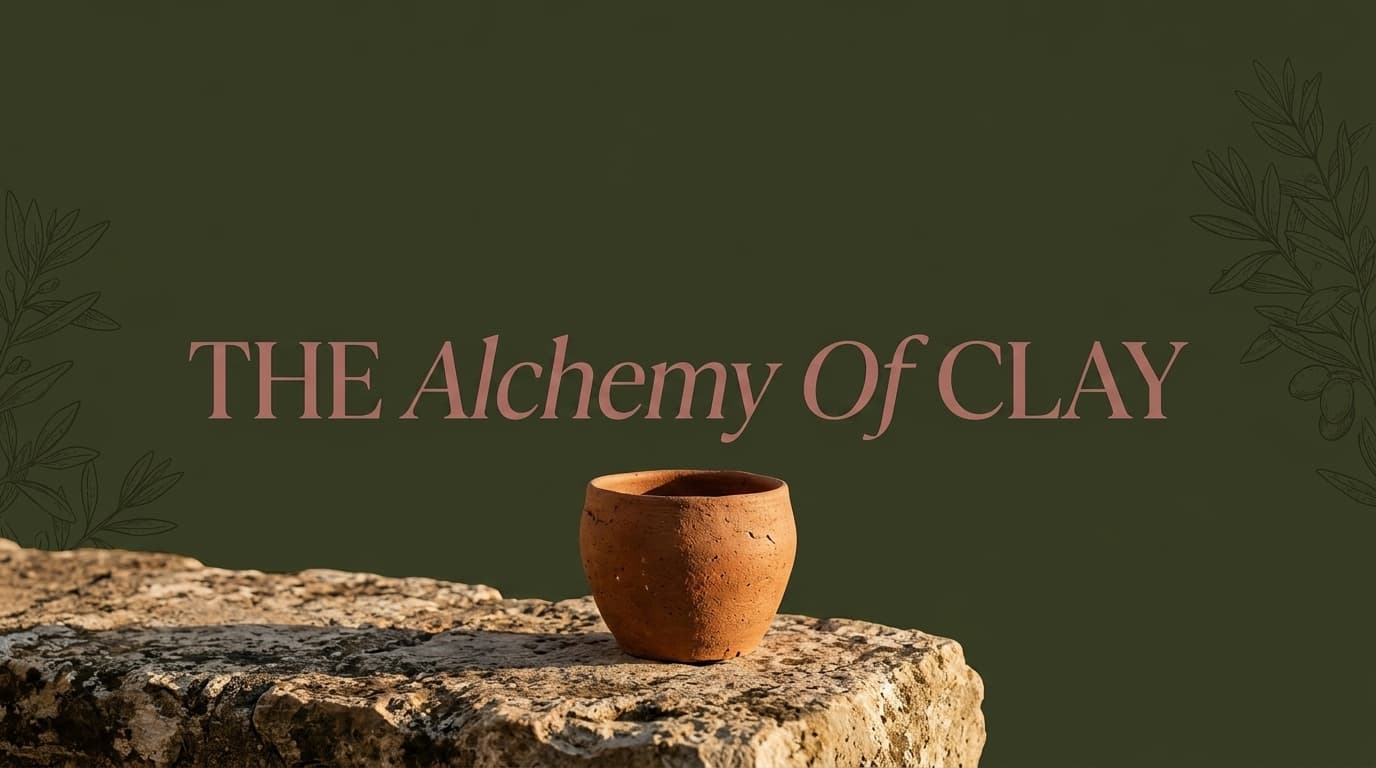
The tactile connection between human hands and raw earth remains one of the most enduring expressions of culture in the Iberian Peninsula. According to the World Crafts Council (2025), regions that preserve traditional ceramic techniques see a 22% higher retention of local cultural identity compared to those shifting to industrial manufacturing. Portuguese earthenware is a category of traditional ceramic production characterized by the use of local, iron-rich clays and ancient wood-firing techniques. According to the UNESCO Intangible Cultural Heritage list (2024), the preservation of ancestral pottery techniques is essential for maintaining rural economic stability in Southern Europe. It is a storied vessel of history, geology, and ancestral knowledge that defines the landscape of our bespoke journeys.
What is Portuguese earthenware and how is it made?
Authentic earthenware in Portugal is defined by the use of local, mineral-rich clay sourced directly from the riverbeds and hillsides of regions like Alentejo and Beira Baixa. Unlike mass-produced ceramics, these pieces are shaped by the rhythm of the potter’s wheel and fired in kilns that respect the natural properties of the earth.
The geological signature
The composition of the soil dictates the final character of the pottery. In the southern plains, the clay is often iron-rich, resulting in the iconic warm, earthy reds and ochres that define the region's aesthetic. This geological specificity ensures that every piece carries the literal DNA of the land it was born from.
True craftsmanship is a dialogue between the artisan and the raw material.
Traditional firing techniques
Historically, the firing process was a communal event, often involving wood-fired kilns that required days of constant attention. As of 2026, a growing movement of master potters is returning to these low-impact, traditional firing methods to achieve unique glazes and textures that modern electric kilns simply cannot replicate.
Why is Portuguese earthenware significant for modern collectors?
In an era of disposable goods, the return to slow-made, artisanal ceramics represents a shift toward intentional living. According to a 2024 report by the European Cultural Heritage Foundation, 58% of luxury consumers now prioritise provenance and material authenticity over brand name recognition when selecting home goods. According to the International Craft Association (2025), artisanal ceramic sales have seen a 14% year-over-year increase, driven by a growing demand for sustainable, non-industrial interior design objects. The Alentejo region, the skilled artisans of Bisalhães, and the design principles of the Bauhaus movement all influence the modern evolution of ceramic arts.
The role of the artisan
At ZION Creative Artisans, we believe that the value of an object lies in the narrative of its creation. By working closely with master artisans who dedicate their lives to mastering the wheel, we ensure that every piece of earthenware we curate serves as a bridge between the past and the present.
Integrating earth into the home
Integrating handmade ceramics into a modern space creates a grounding effect. It is about bringing the texture of the Portuguese landscape into the interior, turning a simple dining table into a canvas of history and human effort. This is the essence of our legacy approach to design.
Luxury is not found in perfection, but in the deliberate mark of the maker.
Frequently asked questions
What makes Portuguese earthenware different from other ceramics? Portuguese earthenware is distinguished by its deep connection to local geology and centuries-old firing techniques. The use of regional, mineral-rich clay and traditional wood-firing methods produces unique textures and heat-retaining properties that industrial, mass-produced ceramics lack, making each piece a distinct reflection of its specific geographical origin.
How can I identify authentic hand-thrown pottery? Authentic hand-thrown pottery often features subtle irregularities, such as variations in wall thickness or unique kiln marks, which are signs of the human touch. Unlike machine-molded items, each piece will have a distinct weight and balance, reflecting the specific pressure applied by the potter during the shaping process.
Is Portuguese earthenware sustainable? Yes, traditional Portuguese earthenware is inherently sustainable. By sourcing clay locally and utilizing low-energy, often wood-fired kilns, artisans minimize their carbon footprint. This practice supports local circular economies and preserves ancestral knowledge, ensuring that the craft remains viable for future generations without depleting the natural environment.
How should I care for my handmade earthenware pieces? To maintain the integrity of handmade earthenware, hand-washing with mild, natural soap is recommended. Avoid sudden temperature changes to prevent thermal shock, and ensure the pieces are thoroughly dried before storage. These simple rituals of care help preserve the porous nature of the clay and extend the life of the object.
Can I visit pottery workshops in Portugal? Yes, many traditional workshops welcome visitors who are interested in the process of creation. Engaging directly with the makers allows you to witness the transformation of raw clay into art, providing a deeper understanding of the cultural significance and technical mastery required to sustain this ancient craft in the modern world.
Protecting the legacy of clay
The future of Portuguese earthenware depends on our ability to value the process as much as the product. By choosing to support artisans who maintain these ancient traditions, we ensure that the knowledge of the earth remains a living, breathing part of our culture.
We invite you to explore the depth of this heritage with us. Whether you are looking to commission a bespoke collection or simply wish to understand the story behind the clay, our team is here to guide you through the workshops and studios where the alchemy of earth and fire continues to thrive.