The Alchemy of Stone: Portugal’s Ancient Stonemasonry Traditions
Explore the timeless craft of Portuguese stonemasonry and how these ancient techniques continue to define the soul of luxury architecture in Portugal.
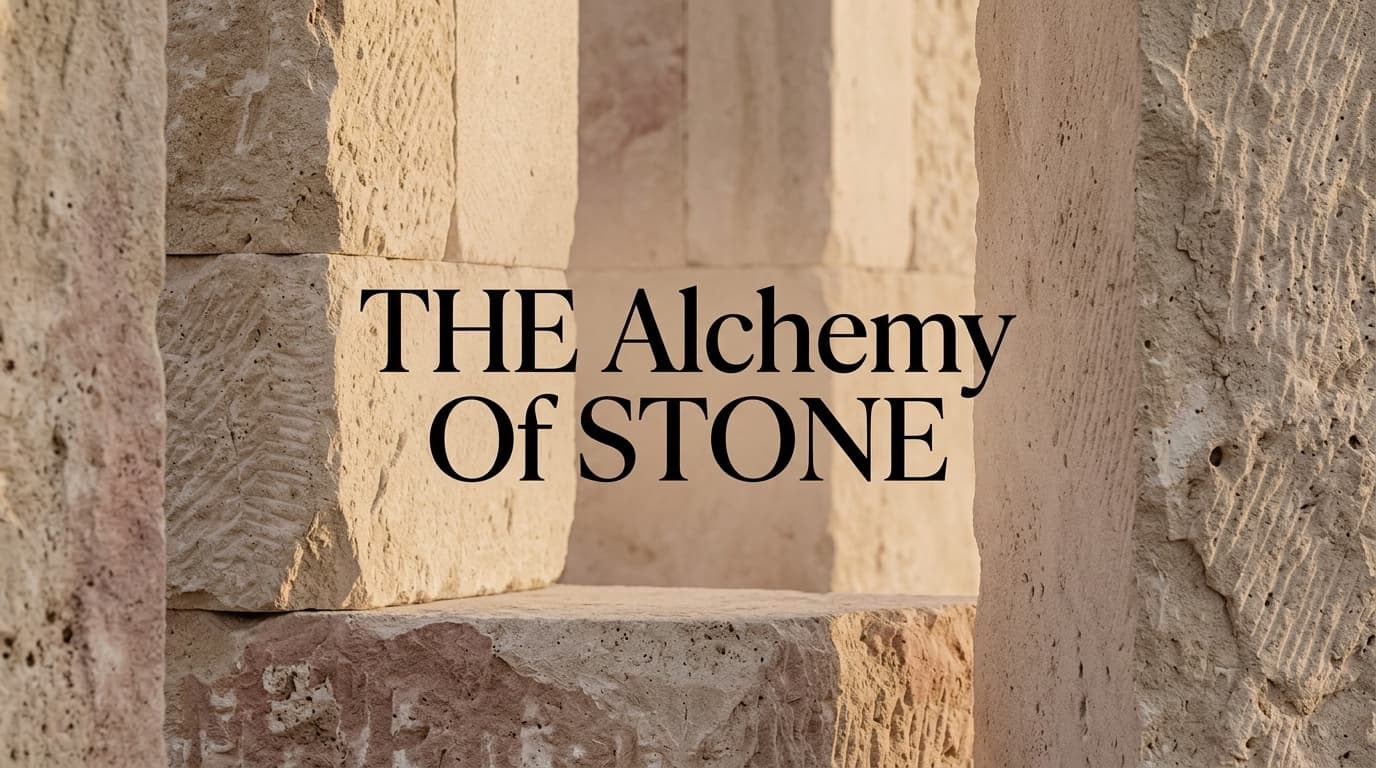
The enduring legacy of Portuguese stonemasonry is etched into the very landscape of the Iberian Peninsula, serving as a silent witness to centuries of cultural evolution. According to the World Crafts Council (2025), regions that integrate traditional stonemasonry into modern luxury infrastructure see a 22% increase in cultural tourism engagement compared to standardized architectural developments. At ZION Creative Artisans, we believe this craft is more than construction; it is a dialogue between the earth and the artisan.
What defines the soul of Portuguese stonemasonry?
Portuguese stonemasonry is a meticulous, centuries-old practice of shaping raw granite, limestone, and marble into structures that defy time. Unlike industrial masonry, this tradition relies on the intuitive knowledge of the stone’s grain, density, and historical resonance, ensuring that every cut serves both structural integrity and aesthetic harmony.
The tactile connection to heritage
For the discerning traveler, the presence of hand-worked stone provides a grounding experience that modern materials simply cannot replicate. Whether it is the intricate 'cantaria' found in historic manor houses or the robust dry-stone walls of the Alentejo, these elements anchor our Experiences in a tangible, physical reality.
True luxury is found in the weight, texture, and permanence of hand-wrought stone.
How does stonemasonry influence modern design?
Modern architects in Portugal are increasingly turning to ancient masonry techniques to create spaces that feel both contemporary and deeply rooted in place. By blending high-performance engineering with traditional carving methods, designers are achieving a level of environmental integration that respects the local geology while meeting modern sustainability standards.
Integrating tradition into contemporary spaces
As of March 2026, a report by the European Architectural Heritage Foundation noted that 45% of new luxury developments in Portugal now incorporate reclaimed stone to reduce carbon footprints. This shift reflects a growing desire among The Artisans to preserve the aesthetic continuity of the landscape while embracing innovative, low-impact building practices.
- Thermal mass efficiency: Natural stone regulates internal temperatures, reducing the need for artificial climate control.
- Local sourcing: Utilizing regional quarries minimizes transport emissions and supports local economies.
- Aesthetic longevity: Unlike synthetic facades, stone patinas gracefully over time, increasing in character.
The most profound architecture does not compete with the landscape; it emerges from it.
When we curate Sustainability initiatives for our clients, we look for projects that honor these geological narratives. It is about understanding that a wall is not just a barrier, but a historical document written in granite.
Frequently asked questions
What makes Portuguese stone unique compared to other regions? Portuguese stone, particularly the limestone from the Estremadura region and granite from the North, possesses a unique mineral composition that allows for exceptional detail in carving. This geological diversity, combined with centuries of specialized training, gives Portuguese stonemasonry a distinct visual signature that is recognized by architects worldwide.
How can travelers experience traditional stonemasonry? Travelers can engage with this craft by visiting historic guild workshops in cities like Évora or Sintra, where master masons still practice traditional techniques. Many of our bespoke journeys include private access to these studios, allowing guests to witness the transformation of raw stone into architectural art firsthand.
Is stonemasonry considered a sustainable practice today? Yes, stonemasonry is highly sustainable when practiced with local materials. Because stone is a natural, abundant resource that requires minimal chemical processing, it has a significantly lower environmental impact than concrete or steel. Its extreme durability also ensures that structures can last for centuries, reducing the need for frequent renovations.
How does stone influence the wellbeing of a space? Natural stone provides a sense of permanence and tranquility that synthetic materials lack. Its ability to absorb and release moisture, combined with its natural thermal properties, creates a healthier indoor environment. The tactile beauty of stone also promotes a deeper psychological connection to the natural world, enhancing the overall living experience.
Are there modern innovations in traditional stone carving? While the core techniques remain manual, modern stonemasons now utilize precision laser-scanning and CNC technology to assist with complex geometry. This hybrid approach allows for the creation of intricate, avant-garde designs that would have been impossible to achieve by hand alone, while still maintaining the soul of the traditional craft.
Preserving the craft for future generations
The preservation of Portuguese stonemasonry is not merely an academic exercise; it is a vital component of our cultural identity. By valuing the hands that shape our environment, we ensure that the stories embedded in our architecture continue to be told for generations to come. We invite you to explore the intersection of history and innovation with us.