Mastering Digital Transformation: A Strategic Guide for Portuguese SMEs
Discover how Portuguese SMEs can drive growth and efficiency through effective digital transformation strategies tailored for the local market.
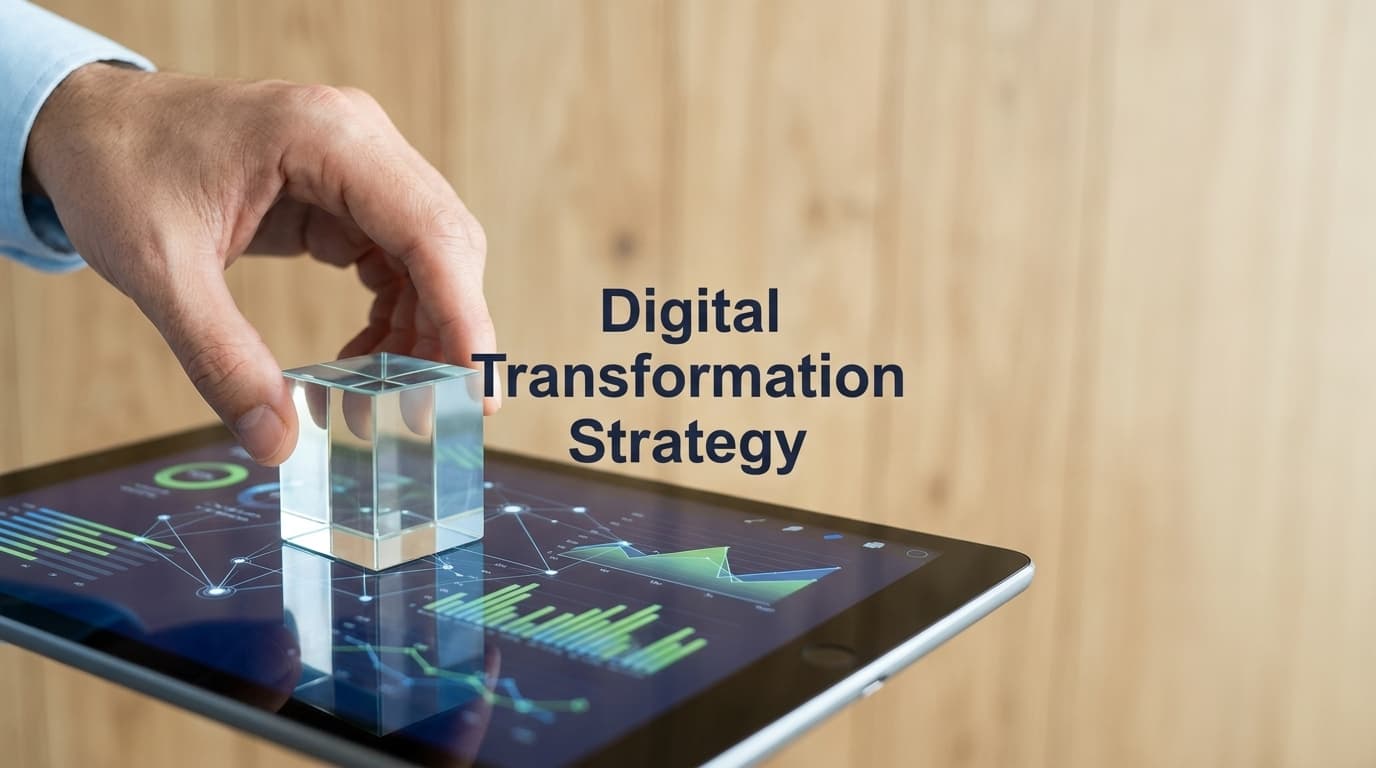
According to McKinsey (2025), SMEs that successfully implement integrated digital transformation strategies report a 25% increase in operational productivity within the first 18 months. According to Eurostat (2024), only 22% of Portuguese SMEs had achieved a high level of digital intensity, highlighting a significant growth opportunity for those that start now. Digital transformation is a comprehensive process of shifting business models, operations, and culture to integrate technology across every department, ultimately driving value for stakeholders and improving customer experiences. For companies looking to scale, understanding our Apoio a Incentivos ao Investimento is the first step toward securing the necessary resources.
What is digital transformation for SMEs?
Digital transformation is not merely about adopting new software; it is a holistic shift in organizational culture and processes. It involves leveraging tools like CRM systems, cloud computing, and AI to streamline workflows, improve data accuracy, and enhance the overall customer experience in an increasingly competitive market.
The core pillars of digital change
- Process automation: Replacing manual, repetitive tasks with automated workflows.
- Data-driven insights: Using analytics to inform strategic business decisions.
- Customer-centricity: Enhancing digital touchpoints to meet modern consumer expectations.
- Cloud infrastructure: Ensuring scalability and remote accessibility for your team.
Integrating ERP systems is central to this, as it unifies fragmented departmental data into a single source of truth, facilitating better real-time decision-making. Simultaneously, robust cybersecurity protocols are non-negotiable to protect sensitive information from emerging digital threats, ensuring that your growth remains secure as you scale.
Digital transformation is the difference between leading the market and chasing it. It requires a clear vision, executive buy-in, and a willingness to adapt to evolving market conditions. Your technology is only as effective as the strategy driving it.
How does digital transformation impact ROI?
Digital transformation directly impacts your bottom line by reducing operational overhead and opening new revenue channels. According to a 2024 report by Deloitte, businesses that prioritize digital maturity see a 15% higher profit margin compared to their less digitized peers. According to IDC (2024), companies investing in integrated digital workflows see an average 20% reduction in time-to-market for new services.
Key financial benefits
Reducing operational costs
By migrating to cloud-based solutions, SMEs can significantly lower their IT maintenance costs and hardware investments. This shift allows for more flexible resource allocation, which is critical for Bizin Consultoria de Investimento that require agility.
Scaling market reach
Digital tools allow even the smallest businesses to compete on a global scale. Through targeted digital marketing and e-commerce platforms, companies can reach customers far beyond their local geography, effectively diversifying their income streams and mitigating regional economic risks.
Efficiency is the new currency of competitive advantage. When your internal systems communicate seamlessly, your team spends less time on administration and more time on high-value strategy.
Implementing your digital roadmap
Successful implementation requires a phased approach. Start by auditing your current technology stack to identify bottlenecks that hinder growth. Once identified, prioritize projects that offer the highest impact on customer satisfaction and internal efficiency, ensuring that our Bizin Insights e Blog remains a resource for staying updated on funding opportunities.
Steps to success
- Assess current maturity: Evaluate your existing software and team skill sets.
- Define clear KPIs: Establish measurable goals for your digital initiatives.
- Invest in training: Ensure your team is equipped to use new tools effectively.
- Monitor and iterate: Use data to refine your strategy continuously.
What are the common pitfalls in digital adoption?
Common pitfalls include neglecting change management, attempting to automate broken processes, and failing to secure executive buy-in. To avoid these, start by mapping existing workflows and ensuring your team feels supported during the transition, as technology alone cannot solve fundamental structural issues within a business.
Frequently asked questions
What are the biggest challenges for Portuguese SMEs in digital transformation?
The primary challenges include limited access to specialized talent, budget constraints, and resistance to cultural change within the organization. Overcoming these requires a phased strategy that prioritizes high-impact, low-cost digital tools while leveraging government-backed incentives to support the necessary technological investment and workforce upskilling.
How does AI fit into a digital transformation strategy?
AI acts as an accelerator for digital transformation by automating complex data analysis and personalizing customer interactions at scale. For SMEs, AI can be used to predict market trends, manage inventory more efficiently, and provide 24/7 customer support, significantly reducing the burden on human resources while improving service quality.
Do I need a large budget to start my digital transformation?
No, digital transformation is scalable. You can start with low-cost SaaS solutions that address specific pain points, such as project management or communication tools. As your efficiency increases, you can reinvest those savings into more robust enterprise-level systems, ensuring a sustainable and manageable growth trajectory for your business.
How long does a typical digital transformation project take?
Digital transformation is an ongoing process rather than a project with a fixed end date. While individual implementations of new software or processes might take three to six months, the overall cultural and operational evolution is continuous, allowing your business to remain agile and responsive to future technological advancements.
Why is data security critical during digital transformation?
As you move your operations to the cloud and integrate more digital tools, your data becomes your most valuable asset and a potential target for cyber threats. Implementing robust security protocols, such as multi-factor authentication and regular data backups, is essential to protect your business and maintain customer trust.
Accelerate your digital growth
Digital transformation is no longer optional; it is the foundation of long-term resilience and profitability in the modern economy. By focusing on scalable technology and data-driven decision-making, your SME can unlock new levels of performance and market relevance.
At Bizin, we specialize in helping businesses navigate the complexities of investment and growth. Contact our team today to discuss how we can support your digital journey and help you secure the funding needed to scale your operations effectively.