The Future of Urban Vertical Forests: Greening the Skyline
Explore how vertical forests are reshaping urban architecture, offering sustainable solutions for cooling cities and enhancing biodiversity in dense environments.
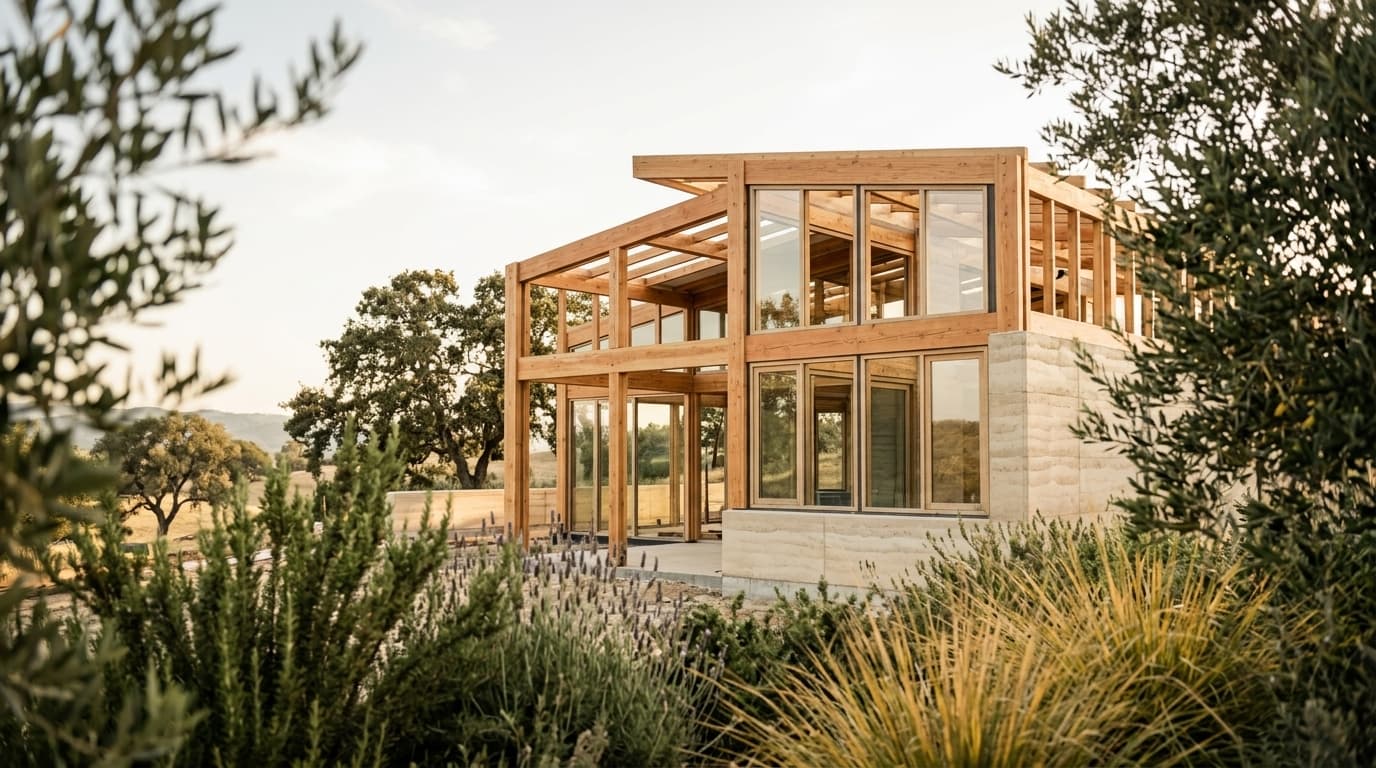
Integrating nature into the built environment is no longer just an aesthetic choice; it is a structural necessity for modern cities. According to the Council on Tall Buildings and Urban Habitat (2025), integrating vertical forests into high-density developments can reduce ambient building surface temperatures by up to 10°C, significantly mitigating the urban heat island effect, a phenomenon affecting 80% of major global cities. Vertical forests is an architectural system that incorporates dense vegetation, trees, and shrubs into the facades and balconies of high-rise buildings to create self-sustaining ecosystems.
What are the primary benefits of vertical forests?
Vertical forests provide a multi-layered approach to urban sustainability by addressing climate resilience and human health simultaneously. According to a 2024 report by the International Energy Agency, high-performance green facades can reduce building energy demand by 12% in peak summer months. By acting as natural air filters, these structures absorb carbon dioxide and particulate matter, while their transpiration process naturally cools the surrounding air.
Enhancing biodiversity in the city
Beyond temperature regulation, these green facades serve as critical habitats for local fauna, including pollinators and birds. By creating vertical corridors of greenery, cities can bridge the gap between fragmented parks and natural reserves. This rise of biophilic design in urban spaces is essential for maintaining ecological balance in increasingly concrete-heavy landscapes.
Vertical forests turn passive structures into active, living components of the city’s ecological network.
How does the integration of vertical forests impact urban planning?
Integrating large-scale vegetation into high-rise construction requires a shift in how we approach structural engineering and maintenance. According to a 2024 study by the World Green Building Council, projects incorporating significant biophilic elements see a 15% increase in property value due to improved resident well-being and energy efficiency. Furthermore, as of early 2025, cities like Singapore and Milan have updated their zoning laws to mandate green plot ratios, reflecting a global shift toward mandatory biophilic infrastructure.
The role of smart technology
Modern vertical forests rely on sophisticated digital twins in sustainable urban planning to monitor plant health and water consumption. Projects like the Bosco Verticale in Milan have pioneered these methods, while systems from companies like Gardena and various IoT providers now allow for remote management. This data-driven approach allows for the scaling of green infrastructure without compromising the structural integrity of the building.
Sustainability in the 21st century is defined by the seamless fusion of biological systems and advanced engineering.
Designing for long-term resilience
As cities face the realities of a changing climate, the role of passive biophilic design in urban wellbeing becomes a cornerstone of resilient development. In 2024, the UN Environment Programme identified urban forestry as one of the top five strategies for climate-resilient architecture, reinforcing the need for developers to adopt these standards early in the project lifecycle. By selecting native plant species that are adapted to local conditions, planners can create low-maintenance forests that thrive with minimal human intervention.
What are the technical requirements for vertical forests?
Constructing a vertical forest requires specialized structural reinforcement to support soil and vegetation weight, sophisticated irrigation networks, and wind-tunnel testing to ensure safety at extreme heights. Engineers work closely with botanists to select species that thrive in specific microclimates, ensuring the structure remains a sustainable, low-maintenance asset for the building.
Frequently asked questions
What is the main purpose of a vertical forest? The main purpose of a vertical forest is to integrate nature into high-density urban environments to mitigate the urban heat island effect, improve air quality, and provide essential habitats for biodiversity. These structures transform building facades into living, breathing assets that actively contribute to the ecological health of the city.
Do vertical forests require a lot of maintenance? While they require more care than traditional facades, modern vertical forests use automated irrigation systems and smart sensors to manage water and nutrient delivery. By selecting native, climate-resilient plant species, architects can significantly reduce the need for manual intervention, making these systems sustainable and efficient for long-term building management.
How do vertical forests affect building energy efficiency? Vertical forests act as a natural thermal buffer, shading the building from direct sunlight during summer and providing insulation during winter. This reduction in heat gain can lead to lower energy consumption for air conditioning, helping buildings meet modern sustainability standards while reducing the overall carbon footprint of the structure.
Are vertical forests suitable for all climates? Vertical forests can be adapted to various climates, provided the plant selection is carefully curated to match local environmental conditions. By using drought-resistant or cold-hardy species, designers can ensure that the vegetation survives seasonal changes, ensuring the building remains a green asset throughout the entire year in diverse urban settings.
Can vertical forests help with urban noise pollution? Yes, the dense layers of foliage and soil found in vertical forests act as a natural sound barrier. They absorb and diffuse urban noise, such as traffic and construction sounds, creating a quieter and more peaceful environment for residents. This contributes to the overall acoustic comfort and mental well-being of the urban population.
Building a greener future
As we look toward the future of urban development, the adoption of vertical forests represents a vital step toward creating cities that are both resilient and habitable. By prioritizing nature-based solutions, we can transform our skylines into vibrant ecosystems that support both human life and the natural world.
At coletivoaurora, we believe that the future of architecture lies in this harmonious balance. If you are interested in exploring how these principles can be applied to your next project, we invite you to connect with our team and discover how we can work together to build a more sustainable urban landscape.