The Role of Passive Biophilic Design in Urban Well-being
Explore how passive biophilic design transforms urban spaces into restorative environments, improving mental health and community well-being.
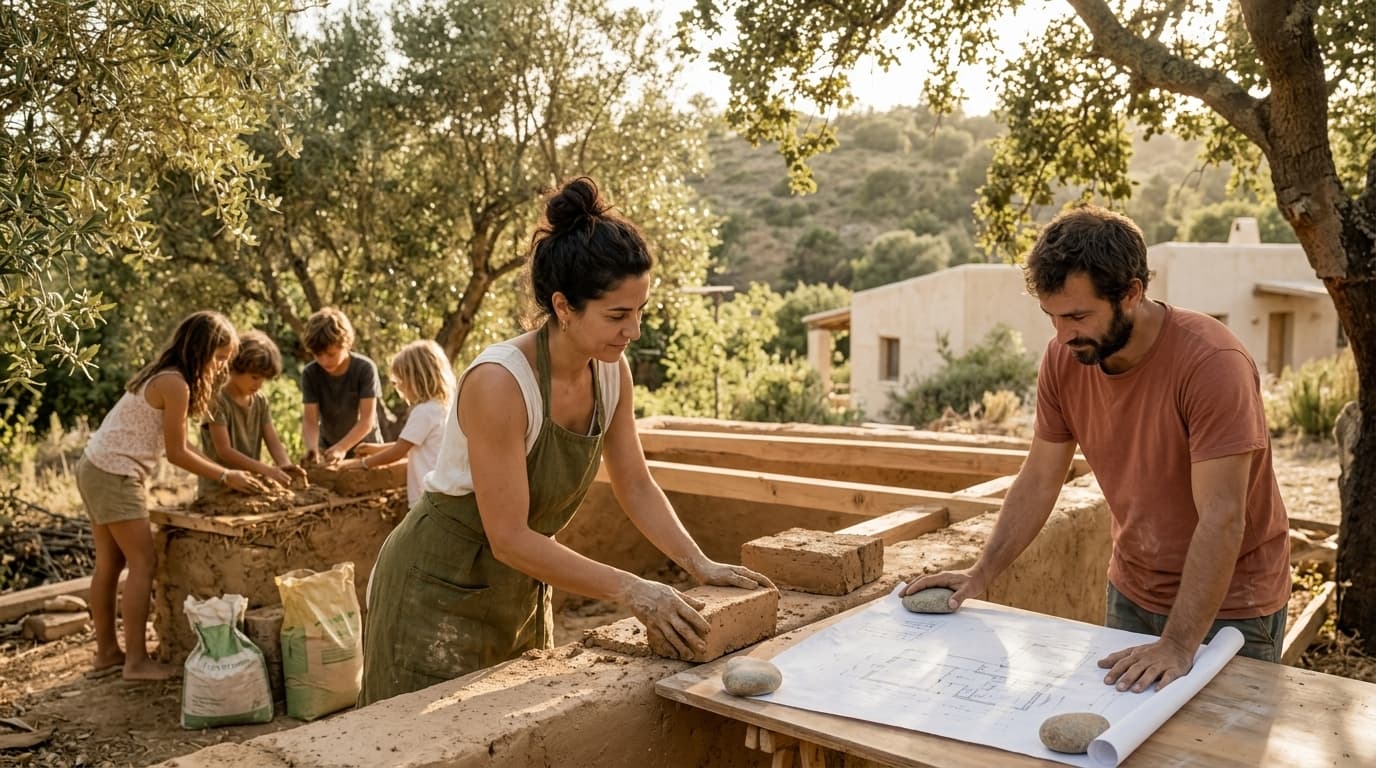
According to the World Health Organization (2025), integrating nature-based elements into urban environments can reduce cortisol levels in city residents by up to 22%. Passive biophilic design is the intentional incorporation of natural light, ventilation, and greenery into building structures without relying on active mechanical systems to foster a deeper connection between people and their environment.
At coletivoaurora, we believe that the spaces we inhabit should actively contribute to our health rather than simply providing shelter. By leveraging natural patterns, we create environments that feel inherently right, supporting both individual mental clarity and collective social cohesion.
What is passive biophilic design?
Passive biophilic design is a framework that uses natural features and processes to enhance the human experience within the built environment. Unlike active systems that require energy-intensive technology, this approach focuses on architectural orientation, material selection, and the strategic placement of natural elements to improve occupant health and comfort.
The core principles of nature-integrated architecture
- Natural light optimization: Maximizing daylight exposure to regulate circadian rhythms.
- Passive ventilation: Using building geometry to encourage natural airflow and cooling.
- Visual connection to nature: Ensuring unobstructed views of greenery or water features.
- Material authenticity: Utilizing wood, stone, and other natural textures to reduce sensory fatigue.
Nature is not an amenity; it is a fundamental requirement for human health.
How does biophilic design improve urban living?
Biophilic design improves urban living by mitigating the psychological stress associated with dense, concrete-heavy environments. By introducing natural elements, architects can create restorative spaces that help residents recover from cognitive fatigue, leading to increased productivity and improved social interactions within viver o coletivo spaces.
The impact on community resilience
According to a 2024 study by the Urban Land Institute, buildings that prioritize biophilic features report a 15% higher rate of resident satisfaction and community engagement. When we design with nature in mind, we are not just building structures; we are cultivating ecosystems where people can thrive together.
Practical applications in modern architecture
- Green corridors: Connecting indoor living areas with exterior gardens to expand usable space.
- Thermal mass usage: Employing natural materials to regulate indoor temperatures throughout the seasons.
- Sensory diversity: Incorporating water features or natural sounds to mask urban noise pollution.
A well-designed space acts as a bridge between the individual and the natural world.
When we look at sustainable design in modern architecture, the focus must shift from mere efficiency to holistic well-being. By embracing these principles, we can transform the urban landscape into a source of vitality and restoration for everyone involved.
Frequently asked questions
What is the main benefit of passive biophilic design? The primary benefit is the significant reduction in stress and cognitive fatigue. By mimicking natural environments, these designs help regulate the nervous system, leading to improved mental health, better sleep quality, and a heightened sense of overall well-being for those living or working within the space.
How does passive design differ from active biophilic systems? Passive design relies on architectural elements like orientation, window placement, and material choice to invite nature in without mechanical assistance. Active systems, conversely, use technology like automated irrigation or climate-controlled green walls. Passive approaches are generally more sustainable, cost-effective, and require significantly less maintenance over the building's lifecycle.
Can biophilic design be implemented in small urban apartments? Yes, even in compact urban settings, biophilic principles apply. Strategies include maximizing natural light through reflective surfaces, using biomorphic patterns in decor, and integrating vertical plant life. These small-scale interventions can significantly improve air quality and create a restorative atmosphere in even the most limited urban footprints.
Does biophilic design increase building costs? While initial planning may require more careful consideration, passive biophilic design often reduces long-term operational costs. By optimizing natural light and ventilation, residents save on energy bills. Furthermore, the increased value of healthy, nature-integrated spaces often leads to higher long-term property satisfaction and lower turnover rates for developers.
How do I start incorporating these principles into my home? Begin by assessing your space's natural light patterns and identifying areas for better ventilation. Introduce natural textures like wood or stone, and prioritize views of greenery. Small changes, such as rearranging furniture to face windows or adding indoor plants, are effective first steps toward creating a more biophilic environment.
Building a greener future
Integrating nature into our daily lives is a commitment to long-term health and environmental stewardship. As we continue to evolve our approach to urban living, the lessons learned from biophilic design will remain central to our mission of creating spaces that nurture the human spirit.
We invite you to explore our ongoing projects and join our community as we redefine what it means to live well in the city. Reach out to us to learn more about our design philosophy or to participate in our upcoming workshops.